Why do people behave the way they do?
Why Do People Behave the Way They Do at Work - and What Does That Mean for Leadership?
Zurich (Switzerland) — 9 March 2026
Why do people behave the way they do at work -- and what does that mean for leadership?
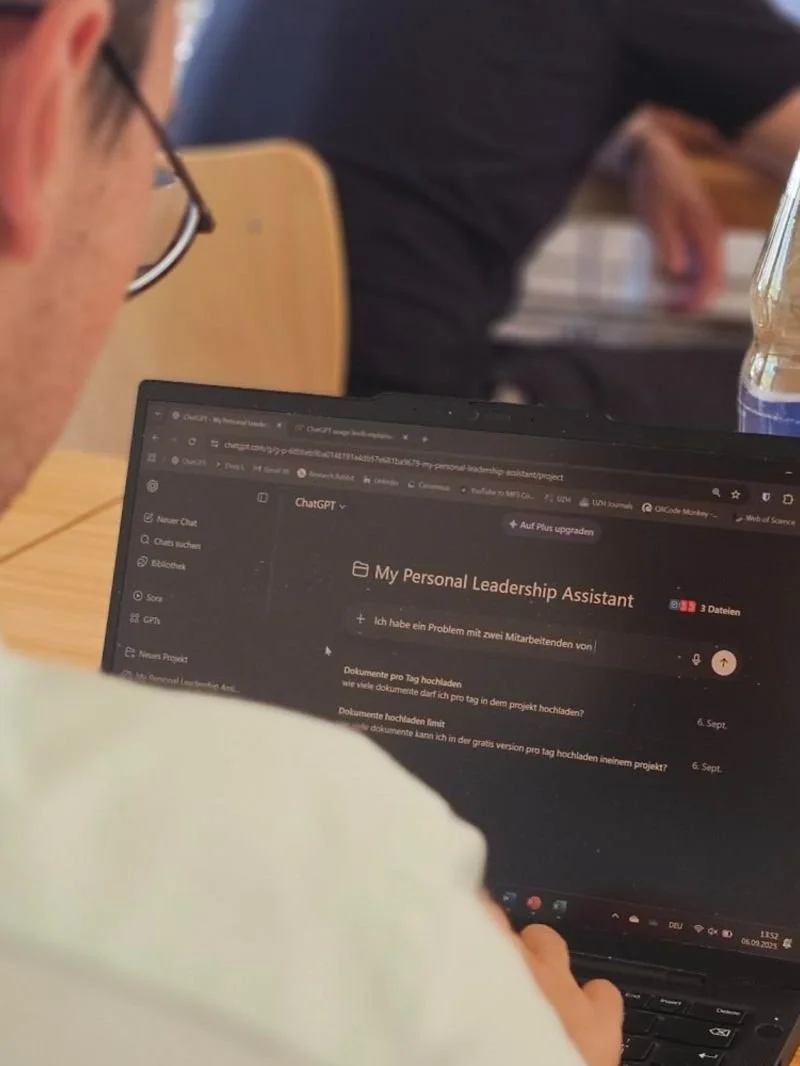
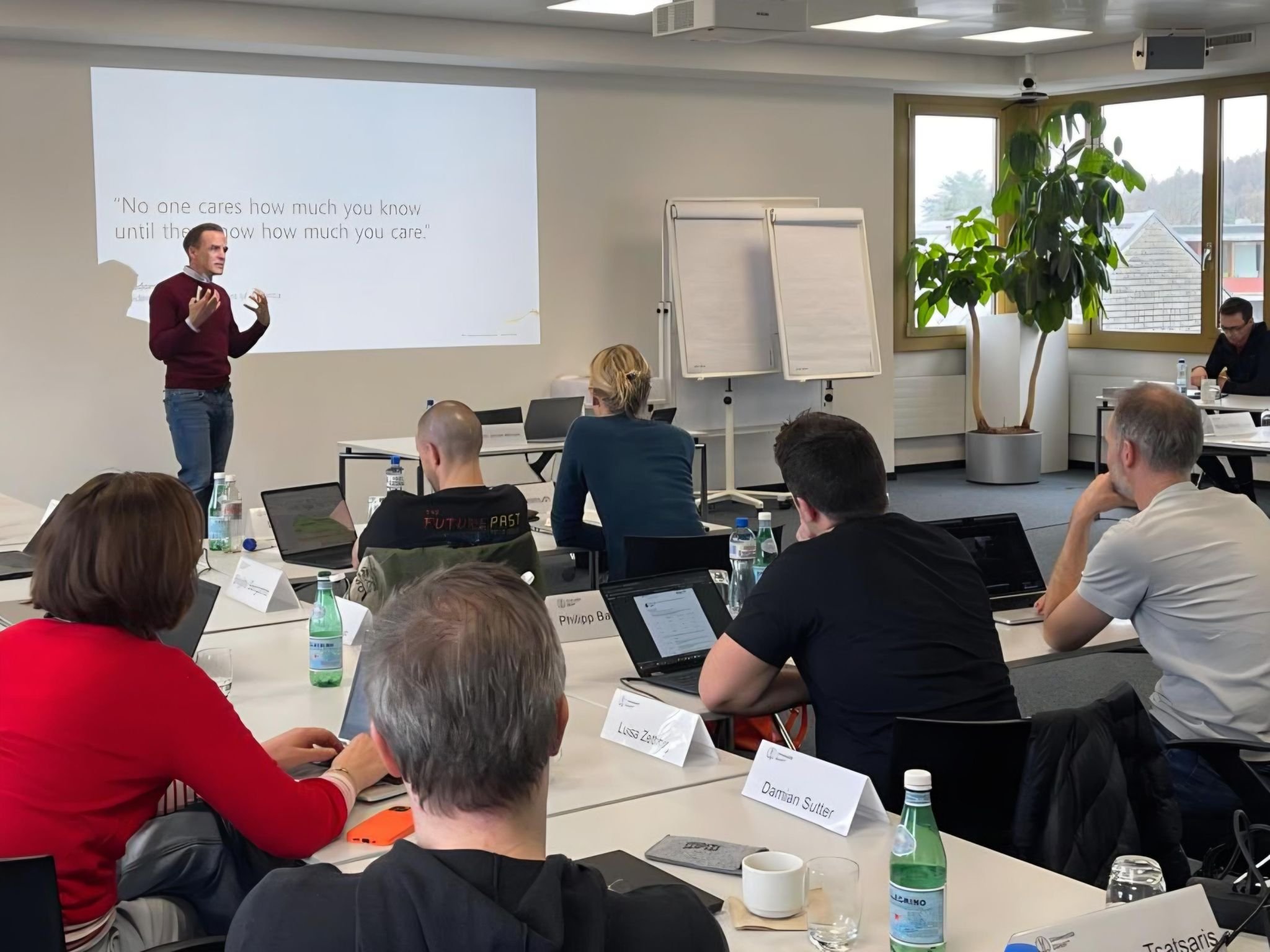
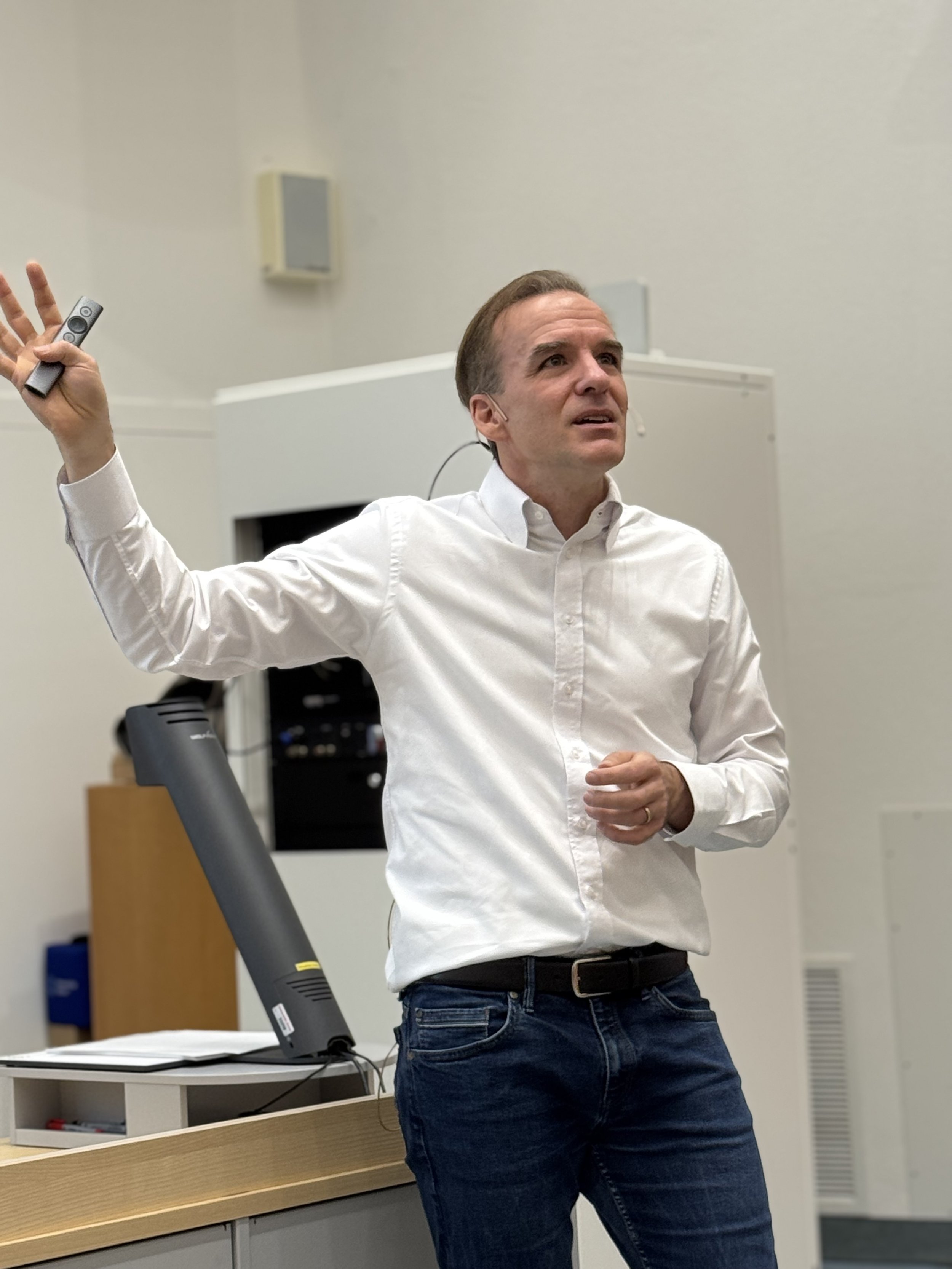
Over the past few days, I had the pleasure of teaching the second leadership module to our German- and English-speaking cohorts in the Executive MBA University of Zurich. Some core insights from the module are:
💡 Leadership starts with understanding people.
We discussed why people behave the way they do at work, and how easily we fall into attribution errors, judging others’ character without sufficiently taking into account their situation.
💡 Leadership requires embracing difference.
We explored why differences in teams matter -- and why it can be challenging in practice to lead teams, given subtle biases, conformity pressures, and our tendency to gravitate toward people like ourselves.
💡 Leadership grows through influence.
Participants reflected on their circle of control, influence, and concern, asking themselves where they truly have the power to create change -- and where they need to leverage dependencies to get ahead.
💡 Leadership sustains motivation.
We also examined what motivates people: incentives and goals, yes, but also relationships, autonomy, competence, and the sense that our work benefits others and makes us feel the way we want to.
Across the module, we realized how leadership is rarely about having all the answers. More often, it is about asking better questions -- about people, power, and performance. The openness and energy with which our participants approached these questions were amazing.
My sincere thanks to all participants for their engagement and trust. And to Leon Bach at the UZH Center for Leadership in the Future of Work as well as Thorsten Klein, Dr. Matthias Schaub, Carol Fuzzard and Danielle Tanner Executive MBA University of Zurich for supporting the Leadership Journey.
Related Articles