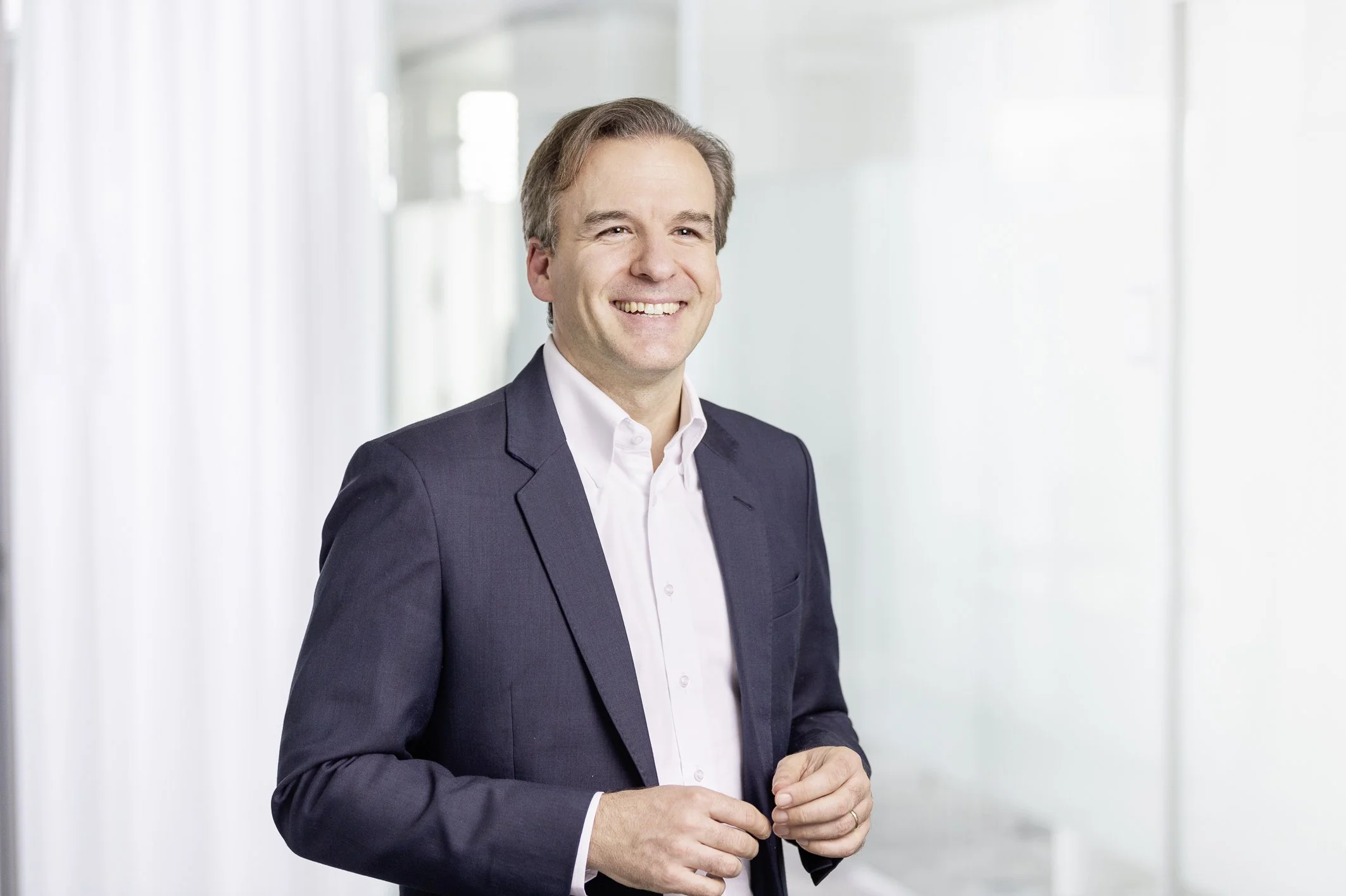
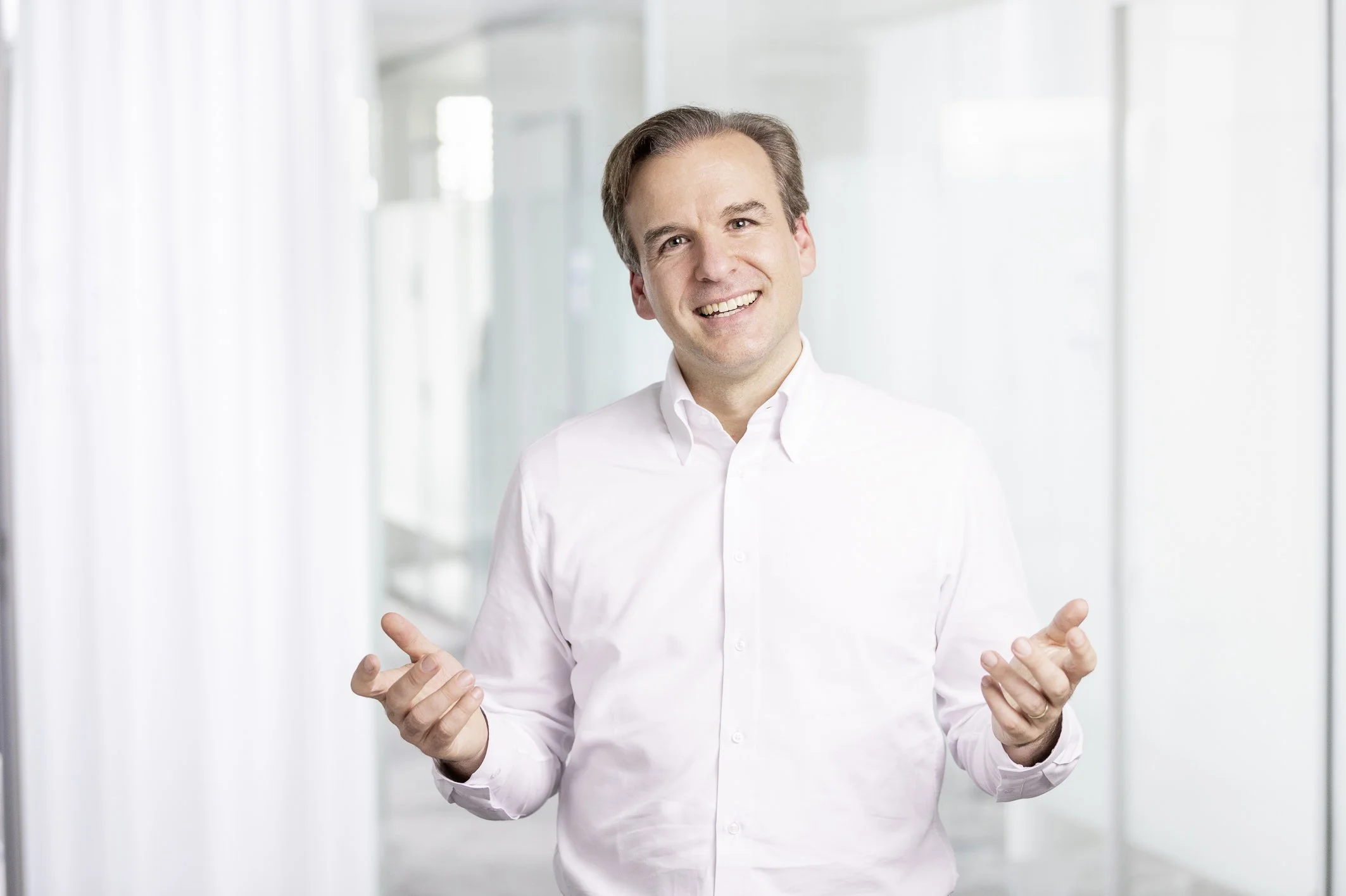
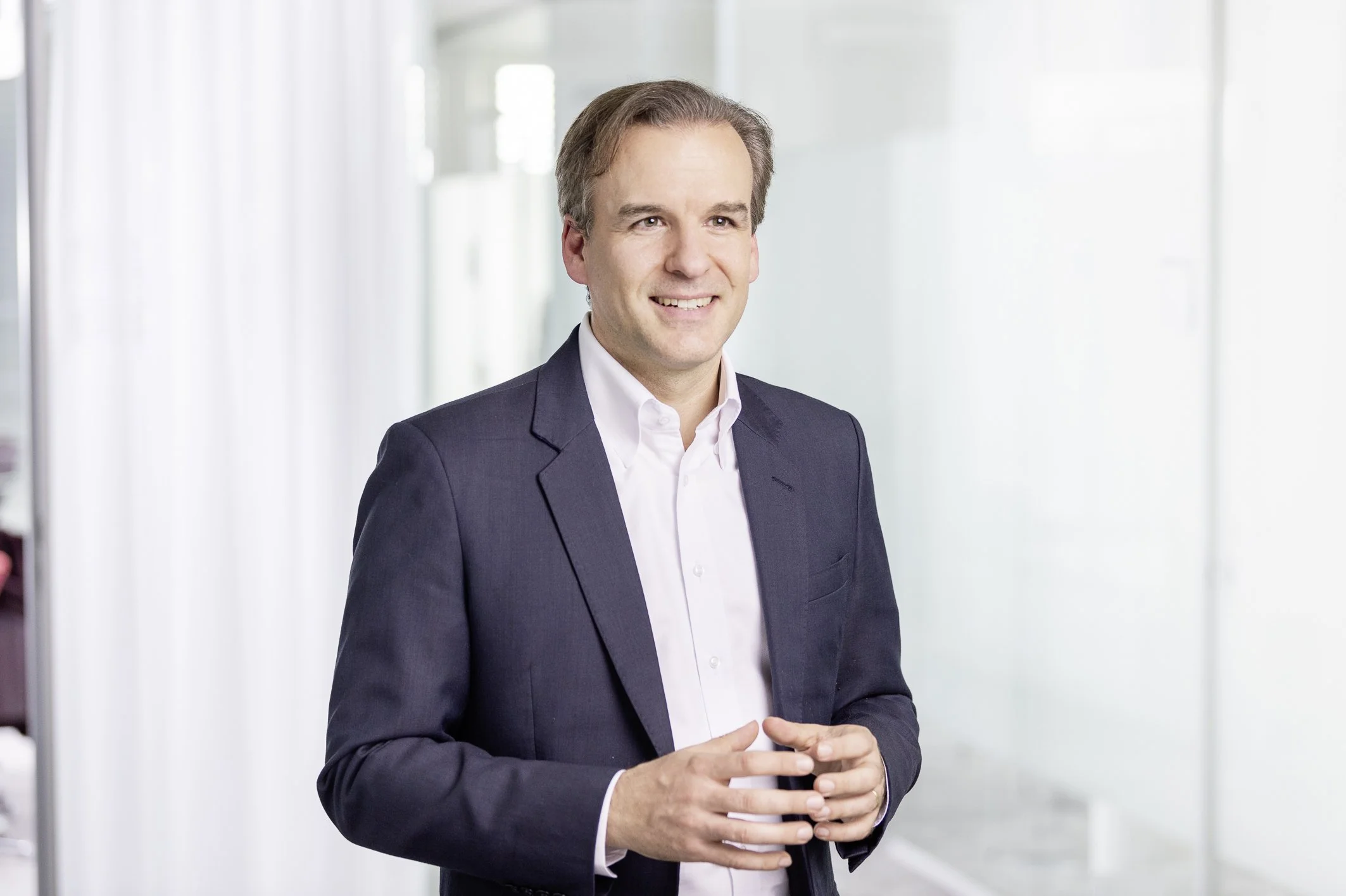
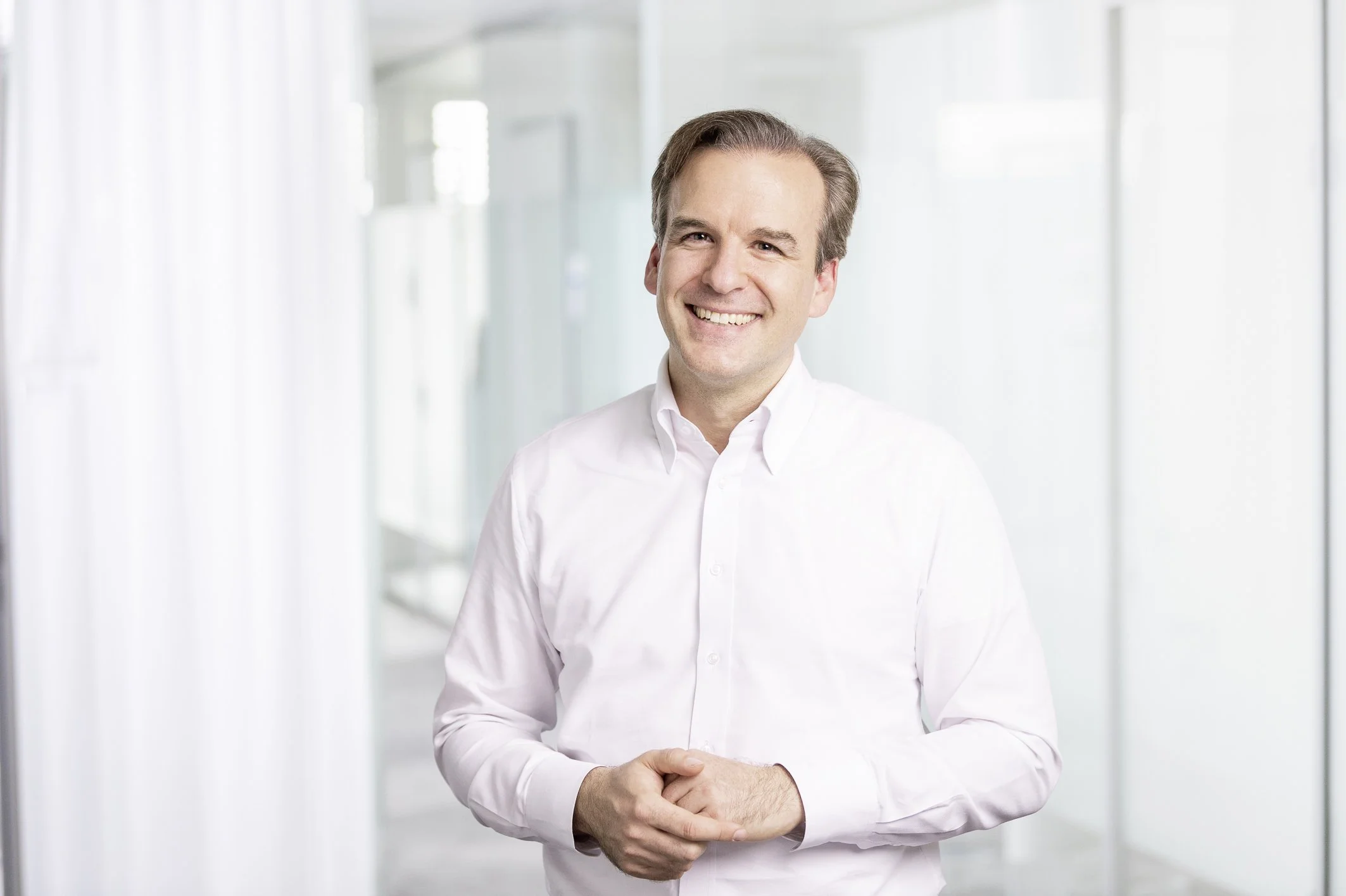
Media Kit
From stage to story

Information
Short version
A true global mind, Dr. Jochen Menges is a professor at both the University of Zurich in Switzerland and the University of Cambridge in the UK. His research has been published in top-tier academic outlets, his discoveries are featured in the media around the world, and in his research, teaching, and consulting, Jochen works with a diverse set of companies and organisations.
For longer versions, see “About”.
Biography
Credentials
Jochen Menges delivered two TEDx talks, works with the World Economic Forum, regularly writes for Harvard Business Review, and partners with Global Fortune 500 businesses such as The Adecco Group, The Boston Consulting Group, and Microsoft. His discoveries have been featured in the media around the world, for example, by the BBC, CNN, The Economist, The Financial Times, The New York Times, NPR, NZZ, The Wall Street Journal, Le Monde, Der Spiegel, and Die Zeit.
Speaker Capabilities
Keynotes
Panel Discussions
Moderation
Workshops
Retreats
Learning Journeys
Leadership
Future of Work
Emotions and Emotional Intelligence
Motivation
Trust
Diversity
Charisma
Performance
Innovation
Speaking Topics
General Teaser Text
Our world of work is changing rapidly, so leadership needs to change, too—but how?
As the Director of the Center for Leadership in the Future of Work at the University of Zurich, Professor Jochen Menges takes you on a journey through the time-tested knowledge of what makes an effective leader to the latest trends that require modern leaders to adopt a more empathetic, emotionally intelligent approach while exuding influence and exerting power.
With hands-on tips and tricks for leaders, Professor Menges provides guidance for how to better connect and succeed with employees in the future of work.
Sample Interview Questions
What makes for a great leader, and why are there so few of them?
What skills will leaders need in the future?
Is leadership really changing, or has successful leadership always been the same?
What can organisations do to improve leadership?
What’s the role of people in a future where artificial intelligence (AI) and automation are ever more capable of completing all sorts of tasks?
Why is emotional intelligence important for leaders?
In business, emotions are often seen as unprofessional, weak, or not relevant to performance. So why do we now need to consider emotions?
Leaders are so busy looking after their business, how can they possibly also take care of their employees’ feelings?
Emotional intelligence sounds like a great quality—but can you actually learn it?
Lots of leaders are involved in digital transformations, but what you are talking about requires a whole different kind of transformation, right?
Media Assets